
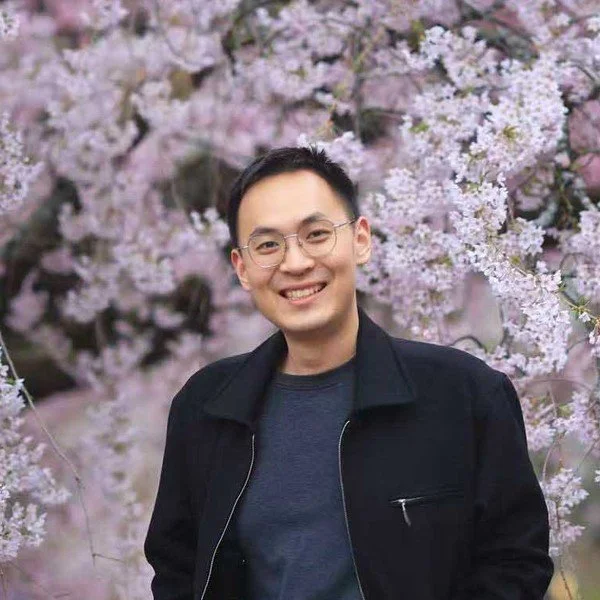
John Wang
Member of Technical Staff, LatchBio; PhD Candidate, Harvard University
-
I work at the intersection of AI and biology. My research focuses on building and interpreting powerful AI-enabled biological tools while ensuring they are deployed safely. During my PhD, I apply tools from physics and machine learning to forecast viral evolution and perform functional mapping of biological sequences, informed by wet-lab data.
-
AI–bio models, such as protein language models, are frontier AI systems trained specifically on biological data. They create capability uplift, enabling rapid optimization of biological functions that previously required extensive lab work. This accelerates therapeutics design, and at the same time could be misused to design toxins or pathogens. Effective safeguarding requires a layered approach. I am interested in mentoring for the following topics
Advancing mechanistic interpretability for AI-Bio models
Benchmarking AI-Bio capabilities
Developing Model-level safeguards such as model steering, capability restriction, and watermarking
Conducting red-teaming to stress-test safeguards
The goal is to constrain harmful capabilities without hindering beneficial biological applications. -
Strong candidates have:
- Familiarity with modern machine learning methods, particularly deep learning and foundation models
- Interest in applying, evaluating, or interpreting modern ML methods on biological data
- Experience with or interest in computational biology, protein modeling, genomics, or related areas
- Interest in AI safety, biosecurity, mechanistic interpretability, model steering, or adversarial testing
- Strong technical independence and comfort working on open-ended research problems
Prior experience at the intersection of AI and biology is helpful but not required. I am especially interested in fellows who are excited about developing technical safeguards that reduce biological misuse risks while preserving beneficial scientific capabilities.