
Active Site
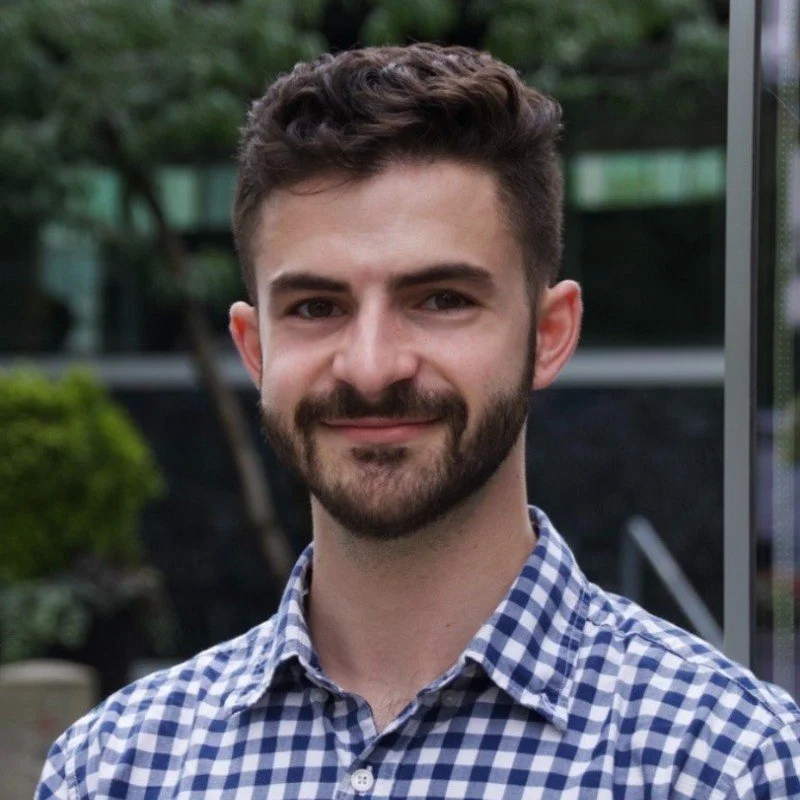
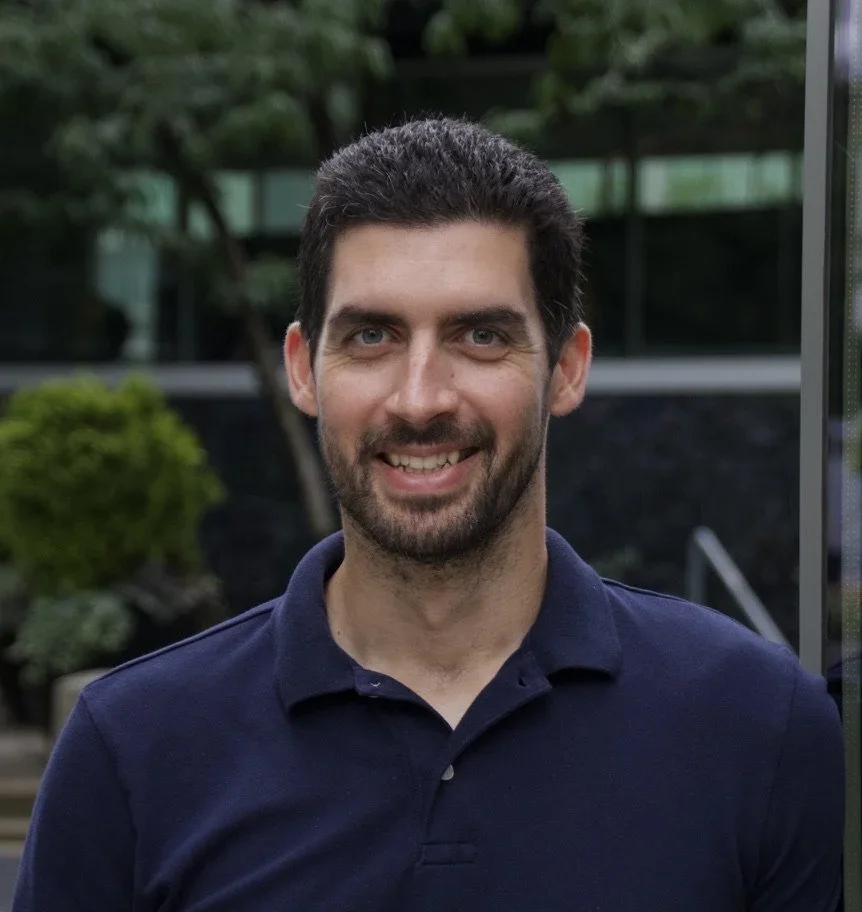
Alex Kleinman, Co-founder; Joe Torres, Executive Director & Co-founder
-
Active Site is a nonprofit researching the intersection of AI and biosecurity. AI models are rapidly becoming more capable in biology, amplifying the risk of accidental or intentional misuse. We conduct “uplift” studies, observing participants in real-world wet labs to measure how AI augments human performance in biological experimentation. We use our findings to advance the science of risk assessments and implement concrete mitigations that safeguard the future of AIxBio.
-
Alex Kleinman co-founded Active Site, a research nonprofit that generates empirical data from the physical world on biosecurity risks. His work spans wet lab research and human trials: he co-led the largest RCT on LLM-driven biological uplift in novices (2026; n = 153) and contributed to ABC-Bench (NeurIPS 2025), an agentic biosecurity benchmark. He also co-authored an eLife (2026) study on antibiotics and vaccines against mirror bacteria. Previously, he worked on broad-spectrum vaccines at Alvea.
Joe Torres is the Executive Director of Active Site and has worked on uplift studies, mirror biology countermeasures, broad-spectrum antivirals, and vaccines (Alvea). Prior to Active Site and Alvea, he was an intellectual property technology specialist at Clark & Ebling. He completed his PhD in Molecular and Cell Biology at UMass Amherst and has over 10 years of research experience in molecular biology and immunology.
-
We’re looking for candidates to work with on the following research topics:
Augmented Reality (AR) in the Wet Lab
Currently, AI-assisted uplift in biology is bottlenecked by 2D computer interfaces, which rely on human operators to accurately translate physical lab context into digital prompts. As multimodal LLMs and AR hardware mature, we anticipate a paradigm shift in AI-assisted physical workflows.
The Role: We’re looking for someone to landscape this emerging space, forecast timelines for when hardware and software will unlock AR for AI/bio, and identify key technological catalysts.
The Goal: This is a "learn by doing" project. You will test AR prototypes in our lab and pilot human-subjects studies to evaluate AR-mediated uplift.
Measuring Expert Uplift
AI companies have identified expert uplift in biology as a critical risk. The core concern is that AI models could significantly enhance an expert's ability to develop biothreats worse than COVID-19.
The Role: Help us rigorously measure if—and to what extent—AI systems (LLMs and biological design tools) enhance experts in operationalizing a safe, relevant proxy task.
The Goal: Design and pilot a statistically robust, biologically sound human-subjects study to gather real-world data on this risk. Your experimental design must be safely executable in a BSL-2 lab within a reasonable time frame, be scalable, and capable of generating a highly powered, feasible sample size.
Stress-Testing Biological Design Tools
State-of-the-art AI-bio tools like EVEscape, ESM3, and Evo2 harbor the potential to lower the barrier for engineering novel pathogenic properties.
The Role: Stress-test these frontier models to uncover biosecurity vulnerabilities, evaluate their accessibility to low- and medium-skilled actors, and propose tractable, concrete mitigations.
Forecasting AI-Directed Lab Automation
Lab automation hardware is rapidly advancing toward a future where capable AI agents could direct fully or nearly autonomous workflows, requiring minimal to no skilled human intervention.
The Role: Produce a comprehensive landscape assessment of AI-directed lab automation, focusing specifically on its current capabilities and future implications for relevant dual-use workflows.
The Goal: Design and pilot physical world AI-directed lab automation evaluations that measure capabilities in autonomous bio.
-
We are seeking fellows who combine deep technical expertise with a strong bias toward action.
Ideal candidates will have:
Domain Expertise: A background in cell/molecular biology, virology, bacteriology, AI-bio design tools, lab automation, mechanical/electrical engineering, or augmented reality.
AI Fluency: Familiarity and high proficiency in leveraging LLMs to accelerate both research and operational workflows.
Experimental Mindset: A track record of designing and running rapid, MVP-style experiments to test hypotheses quickly.
Work Style: We highly value researchers who are highly collaborative, exceptionally communicative, and capable of driving projects independently.